Introduction
As summer processes, the sweltering heat can turn your at ease home into an uncomfortable sauna. Air conditioning methods turn into a must-have, but the query arises: can you install your personal air conditioner? With a developing fashion in opposition t DIY tasks, many house owners are keen on taking things into their very own palms. This article delves into the ins and outs of DIY AC installation, exploring even if it’s clearly a possibility for the general homeowner or more beneficial left to the gurus.
Understanding the Basics of Air Conditioning Systems
What is an Air Conditioner?
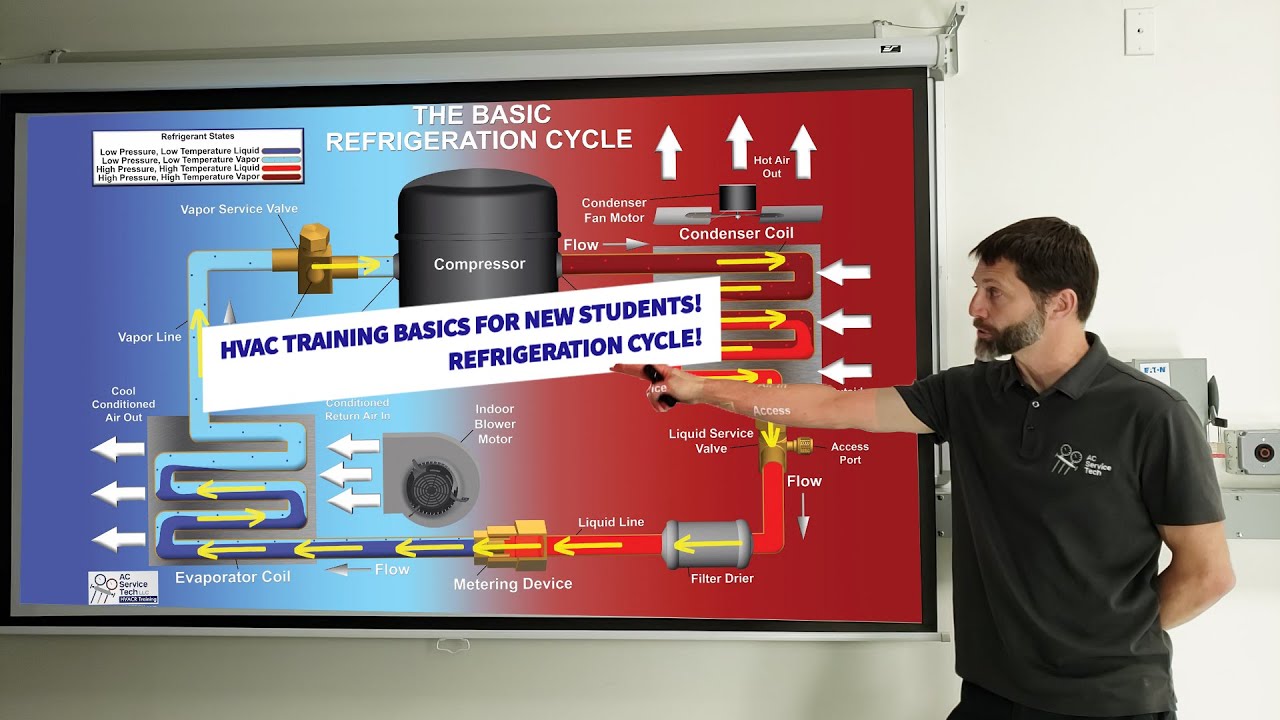
An air conditioner (AC) is a method designed to alter indoor temperatures by using taking away heat from a selected facet and expelling it outside. It operates at the concepts of thermodynamics, involving refrigerants that take up and liberate warmth.
Types of Air Conditioners
When thinking of a DIY AC set up, this is very important to take note the extraordinary types of air conditioners plausible:
- Window Units: Compact items faultless for single rooms. Affordable however should be would becould very well be much less green for bigger spaces. Portable ACs: Versatile and elementary to transport however may well require venting via a window. Split Systems: Comprising two devices (indoor and backyard), providing effectual cooling for comprehensive residences but complex to put in. Central Air Conditioning: Best for great residences, utilizing ducts to distribute cool air all over.
Choosing the Right Air Conditioner
What Size of AC Unit Do I Need?
Determining the suitable measurement is principal. An undersized unit will warfare to cool your area, at the same time an outsized unit will cycle on and stale too often, premiere to inefficiency. The average rule of thumb is:
- Calculate your room's square photos. Use BTU (British Thermal Units) scores as a publication. Typically, you need approximately 20 BTUs consistent with square foot.
| Room Size (sq ft) | Recommended BTUs | |-------------------|------------------| | 100 - three hundred | 5,000 - 7,000 | | three hundred - six hundred | 7,000 - 14,000 | | six hundred - 1,000 | 14,000 - 25,000 |
How Do I Know What Type of Air Conditioner to Buy?
Choosing an AC entails evaluating quite a few components:
Room Size: Larger rooms require more tough units. Energy Efficiency: Look for gadgets with high SEER (Seasonal Energy Efficiency Ratio) rankings. Installation Feasibility: Some sorts are more easy for DIY install than others. Cost: Factor in either initial purchase charge and long-term operational charges.DIY AC Installation: Can You Really Do It Yourself?
The resolution isn’t user-friendly; it relies mostly in your advantage and revel in. While many owners effectively comprehensive their possess installations, there are complexities in touch which can bring about errors if one isn’t careful.
Pros of DIY Installation
Cost Savings: Avoid labor rates by means of managing setting up your self. Flexibility: Choose your time table devoid of waiting for professional availability. Learning Experience: Gain necessary skills and understanding approximately HVAC techniques.Cons of DIY Installation
Potential Errors: Mistakes can end in inefficient operation or perhaps injury to the unit. Safety Risks: Working with electrical formula poses safety risks if not handled thoroughly. Warranty Issues: Many brands void warranties if installations aren’t accomplished by licensed professionals.Preparing for Your DIY AC Installation
Gather Necessary Tools and Equipment
Before diving into deploy, be sure that you will have all the things you need:
https://telegra.ph/The-Top-5-Features-to-Look-For-When-Buying-a-New-AC-Unit-09-21- Screwdrivers Wrenches Level Tape measure Drill Safety goggles and gloves
Read the Instruction Manual Thoroughly
Each aircon unit comes with definite guidelines that needs to be adopted closely for correct deploy and premier functionality.

Step-through-Step Guide to Installing Your Own AC Unit
Step 1: Choosing an Installation Location
Select a region that permits enough airflow each indoors and exterior even though being effortlessly on hand for repairs.
Step 2: Mounting the Indoor Unit
If you might be setting up a split system:
Use a point to mark wherein the indoor unit will cling on the wall. Drill holes as specific within the handbook for mounting brackets.Step 3: Installing the Outdoor Unit
Place the outdoors condenser on a steady floor like concrete pads or brackets—making sure precise drainage far from your property.
Step 4: Connecting Electrical Lines
Follow protection protocols whilst connecting vigour strains:
Turn off strength at the breaker container earlier than birth paintings. Connect wires based on manufacturer necessities; unsuitable wiring can result in fires or gadget failure.Step five: Sealing Refrigerant Lines
Ensure all connections are tight and appropriate insulated with foam tape or comparable material to evade vigour loss.
Testing Your Newly Installed AC System
Once all the pieces is hooked up:
Turn on energy at the breaker container. Switch in your unit the use of far flung management or wall thermostat. Monitor efficiency—test airflow temperature after walking for a few minutes; it may want to be significantly cooler than room temperature.FAQ Section
Q1: Can I Install My Own AC Unit?
Yes! Many home owners correctly total their own installations; besides the fact that children, it requires careful planning and adherence to safety protocols.
Q2: How Much Does Professional AC Installation Cost?
Professional fees vary extensively based mostly on area however most of the time stove from $500-$2000 relying on complexity and form of unit put in.
Q3: Where Can I Buy Air Conditioner Online?
Several legit agents sell air conditioners on-line—seem to be out for buyer critiques when shopping from sites like Amazon or specialized HVAC stores like acprices.ca.
Q4: Are There Any Local Regulations Regarding AC Installation?
Yes! Check nearby building codes which may possibly dictate categorical specifications referring to HVAC installations—failure to comply may perhaps bring about fines or necessary removing of non-compliant sets.
Q5: What Maintenance Is Required After Installation?
Regular upkeep incorporates replacing filters each few months, cleansing coils every year, checking refrigerant phases, and ensuring drainage procedures work precise.
Q6: How Do I Find The Best AC Companies in Canada?
You can search on line directories like acprices.ca which supply scores headquartered on visitor studies and provider pleasant—making sure you determine official services whilst crucial!
Conclusion
In conclusion, even as mission a DIY AC setting up would look daunting originally glance, with good enough education and advantage it’s fullyyt achievable! From wisdom what measurement unit matches your wishes leading with the aid of studying how each and every factor works jointly—the journey would simply empower you in addition as a owner of a house! Remember usually prioritize defense certainly else in the time of deploy tactics; if unsure don’t hesitate attaining out professionals indexed at ideally suited AC institution directory Canada acprices.ca!
With summer suitable around nook don’t let agony get you down—equip your self at the moment by means of making an investment time learning items accessible earlier making judgements even if employ authorities professional tradespeople or take plunge into exciting international do-it-your self tasks!
This article provides finished insights into DIY air-con installation at the same time keeping up professionalism during its content—encouraging readers discover potentialities confidently!